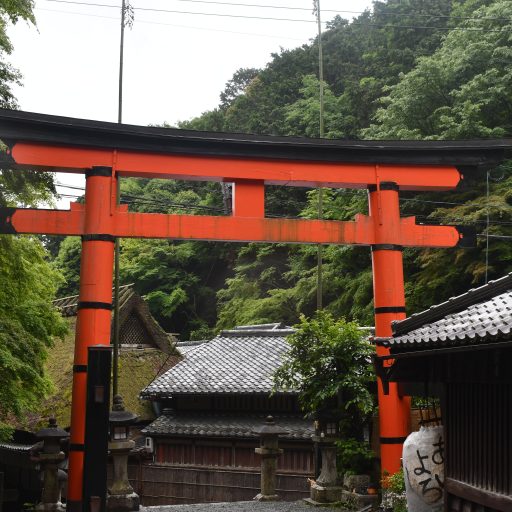
Torii Gates are more than just a structure. There is a religious meaning behind them. When visiting Japan, the Torii Gate will be seen just about everywhere, and there are edicts to follow.
Often vermillion-red in color or made of stone, a torii gate represents a spiritual movement from the “human” world to the Kami, sacred grounds of the spirits. It’s a Shinto marker that welcomes you to that sacred shrine or temple you are visiting.
Many tourists find the gates to be nothing more than something they pass under to get to a shrine, but to the Shinto followers, it’s a blessing, and one that all visitors should respect, regardless of their own personal religious beliefs.
For many travelers, it’s a question of what they should do when they encounter one.
A torii gate is more than just a passage; it’s a profound level of respect for Japan
All Shinto temples and gardens have a torii gate, some multiple. When entering beneath the gate, it is customary to bow before crossing its threshold. When leaving, it is also expected that you turn to face the entry and bow again before you leave.
On my trip to Japan, I watched some tourists simply walk through, and I noticed that they were approached by someone who asked them to bow. One individual got upset when the group refused.
The tourists were taken aback, but the man continued to the point of finally, in plain English, saying, “If you can’t respect our customs, don’t visit our temples.” I have to agree.
It takes mere seconds to bow, and even if you don’t believe in the religion, you would expect the same level of respect if they were visiting a church or a mosque.
There are exceptions to this. The Fushimi Inari gates in Kyoto, for example, are in the thousands. No one is expected to bow at each one, only the first as you enter the temple grounds.
There is also no need to bow if you are not intending to cross into the sacred area.
I am Christian, but I did not feel the need to go against my beliefs simply because I do not share theirs. I bowed entering and leaving.
Japan has so much to offer visitors that respecting its culture is key to understanding and experiencing the country, from its modernization to its historic roots.
To fully appreciate Japanese culture, it’s best to engage with it rather than close your mind and disrespect it.
 Passes to Passports
Leave a comment